
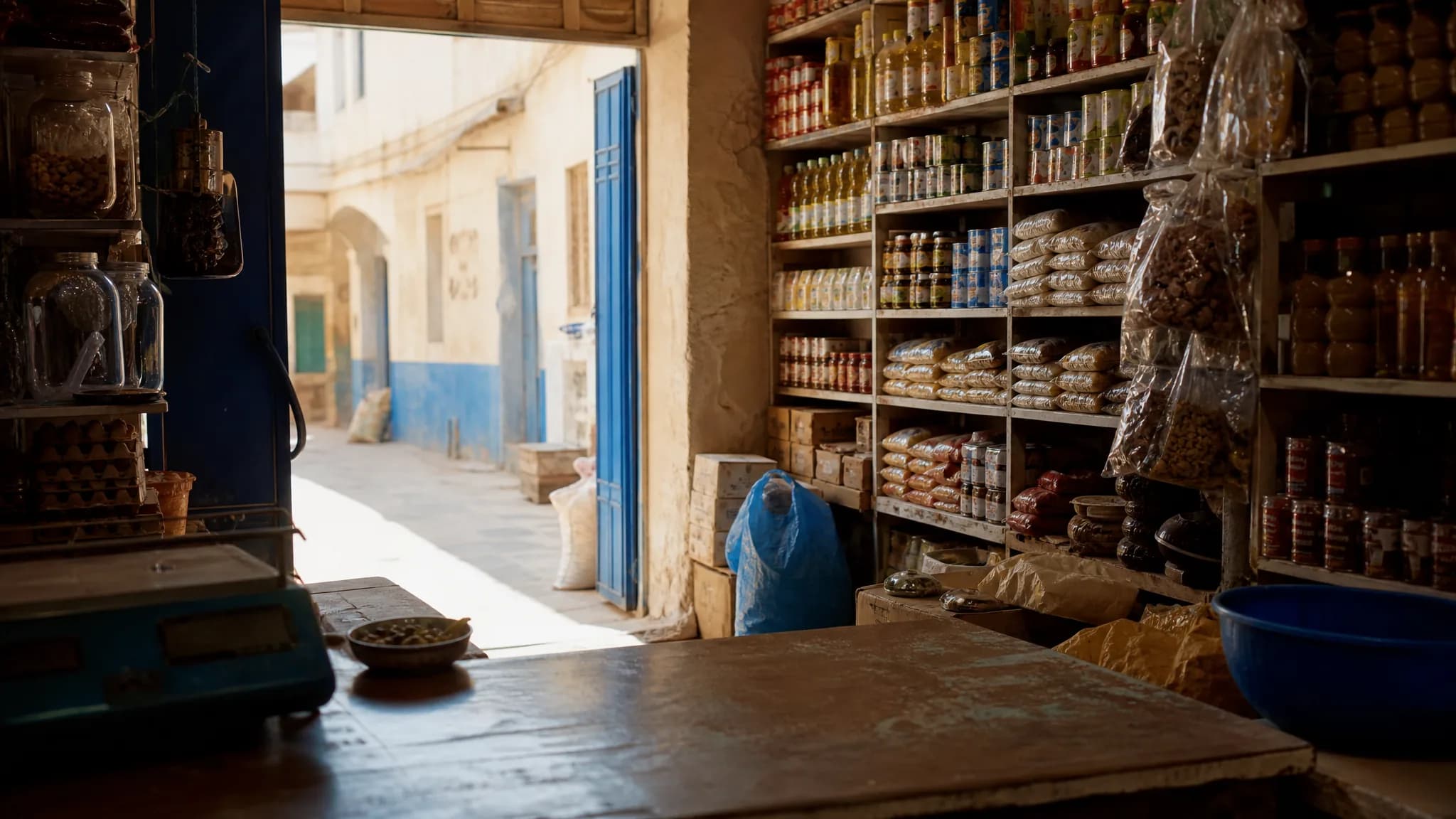
Ask a grocer how many products they carry. They will not know. That is not carelessness: between sizes, flavours and brands, a neighbourhood shop easily carries several hundred, and no human head keeps that current.
The good news is that there is no reason to try. The bad news is that most stock-management advice assumes the opposite — and a full stocktake abandoned after three days leaves the shop exactly where it started.
Why the full stocktake never holds
An exhaustive count means closing, counting, and typing it all back in. It is correct on the day you do it, and it starts lying the next morning at the first sale. After a week the gap between the paper and the shelf is wide enough that nobody trusts the paper any more.
The reflex is to start again, promising to be stricter. That is the same effort for the same result. The problem is not discipline, it is scope: counting everything in the shop costs more than the answer is worth.
The twenty products that make your day
In almost every food shop, a small share of the products drives most of the trips to the till. They are the things people come in specifically to buy: milk, oil, sugar, cigarettes, the fizzy drink this street prefers, phone credit. The rest sells, but it sells alongside.
You already know that list. Write it down. Twenty lines, no more — if you are at thirty, you have added products you would like to sell rather than the ones you do.
- What a customer comes in for specifically, even if they buy nothing else.
- What, when out of stock, makes a customer leave empty-handed.
- What you reorder from the supplier most often.
- What takes the most room in your back store.
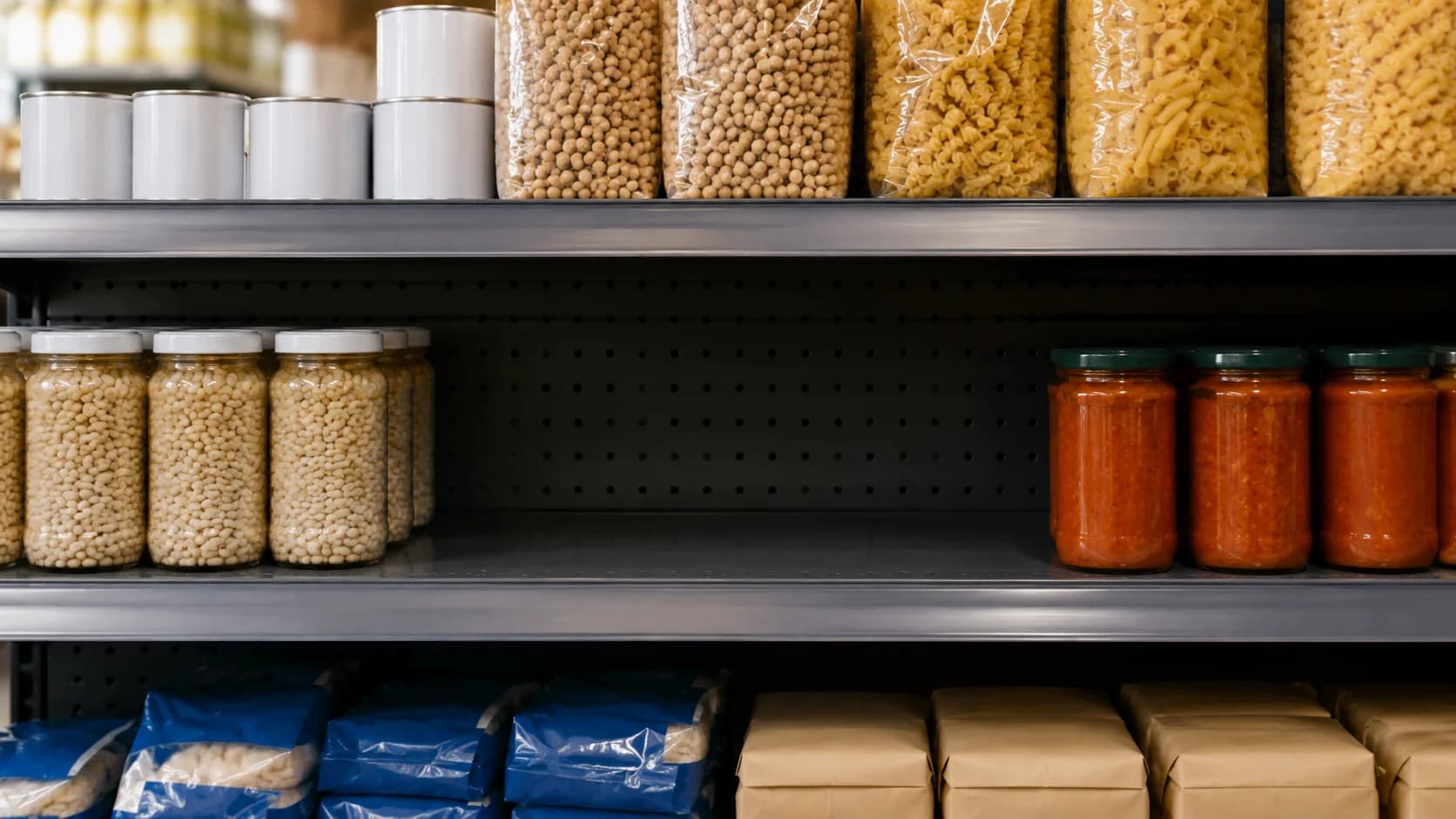
The evening count, in five minutes
Once the list exists, the routine fits on one sheet taped near the till. Every evening before closing, you run down your twenty lines and write what is left. No arithmetic, no valuation: a quantity.
After two weeks the sheet tells you two things nobody can guess from memory: how fast each product moves, and which ones hit zero before your reorder day. That is exactly what you need to set a reorder threshold that actually holds.
Twenty lines kept every day beat a full stocktake done twice a year.
Widen it, but only once it holds
The temptation, as soon as the routine works, is to add products. Wait a month. If you have not skipped three evenings on the first twenty, add ten more. If you have, the problem is not the list — it is the time of day you fill it in.
Plenty of shopkeepers settle at fifty products tracked by hand, and that is a perfectly sound place to stop. Past that point the counting takes longer than the answer is worth, and that is where a tool changes things.
When stock updates itself
Software does not count better than you do — it counts at the moment of sale, which is not the same thing. Every trip to the till takes the quantity down, so the stock you see is the stock as of the last sale rather than the last count.
That is what stock management software for Moroccan shops such as Gestio does: a sale updates the stock, the customer's balance and the till at the same instant. The evening sheet becomes a spot check instead of the only source of truth. See what Gestio handles for the detail.